Keyshawn Davis is talking like a fighter aiming for money fights and long-term relevance at welterweight, but the reality is that everything he is pointing to still sits in the planning stage rather than anywhere close to contract talks.
Davis comes off a 12th round knockout of Jamaine Ortiz on January 31 at Madison Square Garden, a win that ended a quiet stretch and reminded people why he has been treated as a long term project. He has said he wants to fight three times in 2026 after being inactive for close to a year before that bout. The desire to stay busy is clear, but there is still no obvious route from that statement to the fights he is naming. Since the Ortiz win, Davis has mentioned Devin Haney, Lewis Crocker, and Dalton Smith as targets.
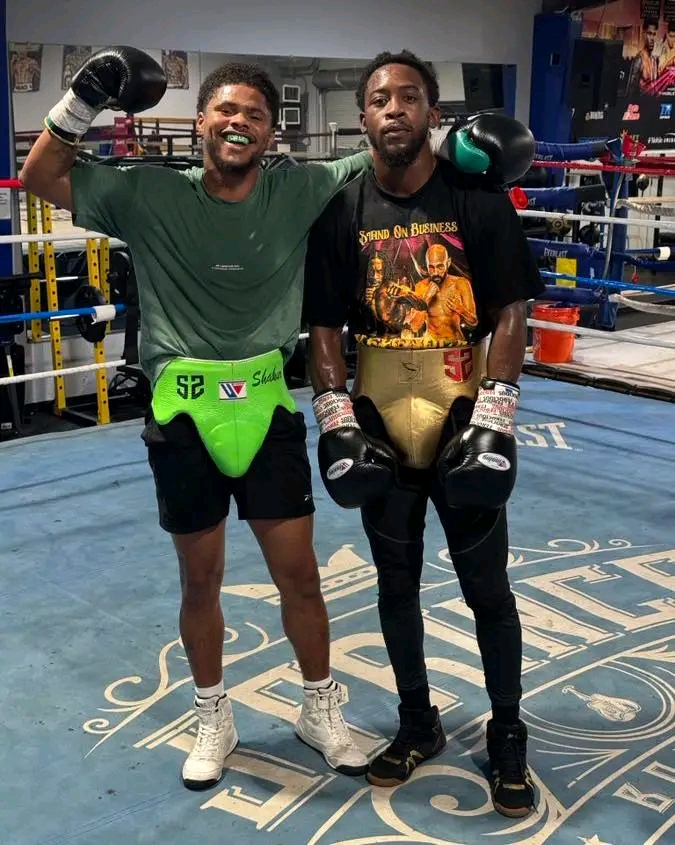
None of those matchups line up cleanly right now from the opposing side. Haney operates in a space where risk needs to come with guaranteed upside, and Davis does not yet offer that. Crocker and Smith are moving along their own tracks, building profile and leverage without a need to take on a high-skill opponent who brings limited commercial return. That is the core problem for Davis at welterweight. He is dangerous in the ring, yet he has not reached the point where opponents feel any pressure to face him. From a business standpoint, there is no urgency to deal with a fighter who adds difficulty without leverage. His skill has slowed interest rather than creating it, which leaves him stuck in an uncomfortable middle ground.

Because of that, Davis may be headed toward another controlled opponent next, even if that falls short of his public ambitions. Staying active helps maintain visibility, but it does not fix the larger issue unless something external changes. One possible accelerant would be outside financing. A Riyadh Season backed card could override the normal risk calculation and place Davis into a bigger fight before his profile truly demands it. There is also the question of weight. If Davis were willing to jump to 154, the dynamic shifts. Fighters in that division would see him as a different kind of opponent, and the size advantage he has often enjoyed would disappear.
He would be dealing with opponents his own size or larger, many of them with real power, which could make the risk more acceptable from their side while testing parts of his game that have not been fully stressed. For now, Davis sits in an awkward holding pattern. He is speaking like a fighter ready for defining opportunities, but the sport has not given him a reason to be prioritized yet. Until that changes, his next move is likely to be practical rather than glamorous, and that reality may be more frustrating than any opponent he has faced so far.
One option for a tune up would be a fight against his former four time conqueor Andy Cruz. That would give Keyshawn the opportunity to show that he’s improved since losing to Cruz in the 2020 Olympics. Of course, the risk would be high for Davis because Cruz has repeatedly shown that he has his number.

Be the First to Comment